
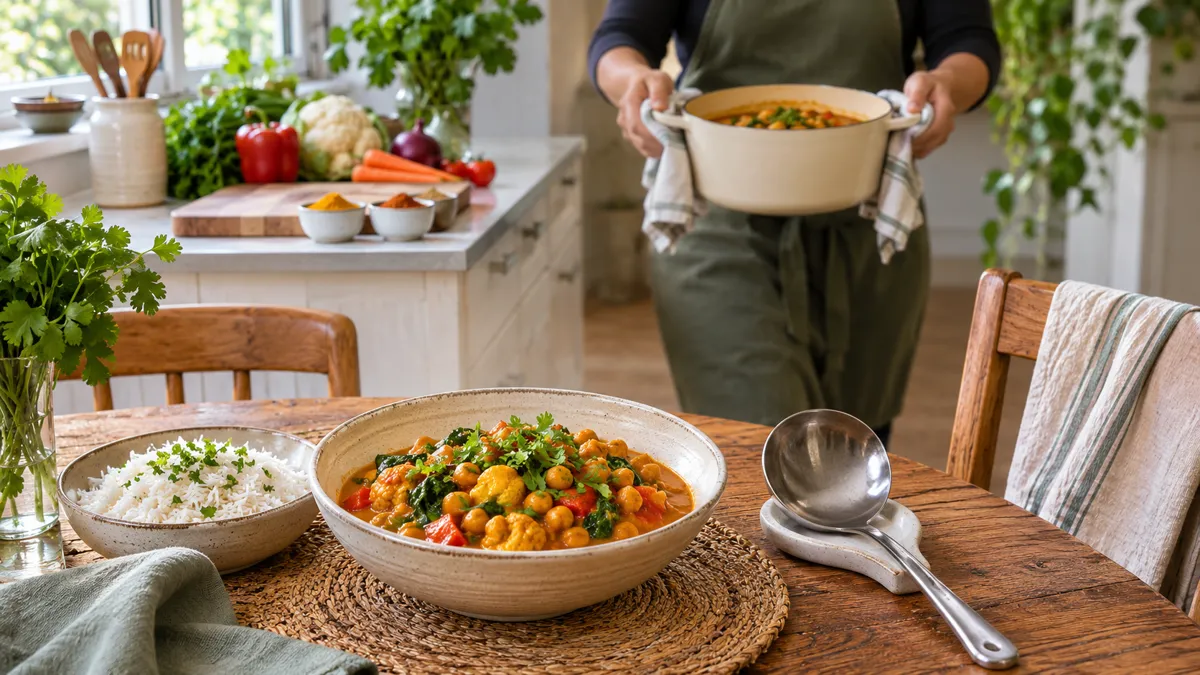

Cooking for someone who avoids gluten involves checking the whole meal, including the small additions that are easy to overlook. Choosing gluten free Thai sriracha curry pastes can simplify one part of the shopping, but the stock, accompaniments and preparation still need attention. Agree the person’s dietary requirements before choosing the menu so that substitutions are planned rather than improvised while dinner is cooking.
Table of Contents
Labels on the products you will actually use
Read the packaging each time you buy a product, even when it is a familiar one. Recipes and manufacturing arrangements can change, and a photograph on a retailer’s website may not match the pack delivered. For an online order, make checking the actual label part of unpacking the shopping rather than leaving it until the pan is hot.
Look for a clear gluten-free claim and read the ingredient and precautionary information alongside it. Wheat, barley and rye are relevant cereal names to recognise, but interpreting an unfamiliar ingredient can require further checking. If information is missing or unclear, ask the manufacturer or choose an alternative with clear information instead of guessing from the product name.
Keep different dietary claims separate in your thinking. Vegan food is not automatically gluten-free, and a gluten-free product is not necessarily suitable for someone with a food allergy. Ask your guest about their specific requirements and retain the packaging so they can check it themselves if they wish.
Seasonings and sides that need their own checks
Write down the complete meal before shopping, including anything added at the table. A curry made with suitable paste can still contain gluten through a stock cube, seasoning sauce or prepared topping. Checking these smaller ingredients at the planning stage is much easier than trying to replace them halfway through a recipe.
Plain rice and fresh vegetables can keep the menu straightforward. If you want noodles, a ready-made side dish or a marinated main ingredient, check that particular product rather than making assumptions about the category. A shorter ingredient list can make the preparation easier to manage, especially when you are cooking gluten-free for the first time.
Preparation that prevents ingredients mixing accidentally
Clean work surfaces, pans and utensils with hot soapy water before starting. Put the ingredients for the meal together in a clear preparation area, and keep them separate from foods containing gluten. This is particularly useful in a busy kitchen where somebody else may be preparing bread or another meal at the same time.
Use clean spoons for ingredients and condiments, and avoid returning a spoon to a container after it has touched another dish. A jar shared across several meals can become a source of cross-contamination. When you cannot establish how an opened ingredient has been handled, using an appropriate unopened replacement removes that uncertainty.
Tell anyone helping with dinner which ingredients and utensils belong to this meal. A helper trying to improve the seasoning can undo careful preparation by adding an unchecked sauce. A simple conversation before cooking is more effective than expecting everyone to infer the requirements from the ingredients on the counter.
Serving arrangements that preserve the preparation
Give each dish its own serving utensil and keep gluten-containing extras away from the prepared curry. If several dishes are being passed around, explain which are suitable and ask people to keep their spoons with the correct bowls. If a mistake happens, be open about it before serving.
The most reliable approach carries the same care from shopping through to serving. Clear labels, a manageable menu and habits that reduce gluten cross-contamination at home work together. Once those arrangements are in place, the evening can centre on enjoying the food and company.