
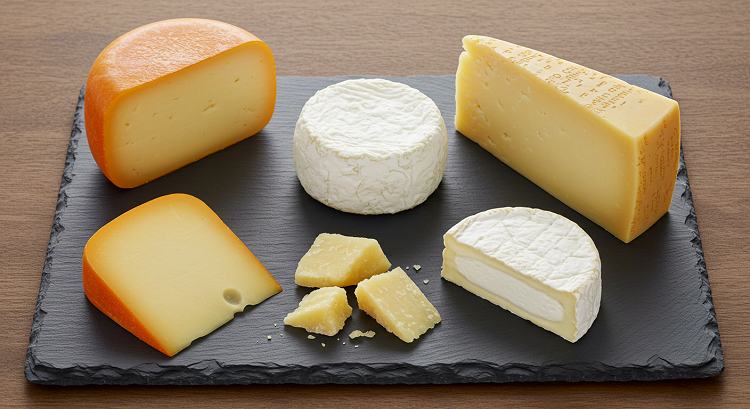

Few cheeses in the world can match the heritage, complexity, and versatility of parmigiano cheese. Affectionately dubbed the “King of Cheeses,” Parmigiano Reggiano holds centuries of tradition in every nutty, crystalline bite. But what exactly makes it so revered? Let’s explore the reasons behind its royal reputation.
Table of Contents
A Storied History and Authentic Origin
Parmigiano Reggiano traces its roots back over 900 years to the Emilia-Romagna region of Northern Italy. Monks in the Middle Ages first created it as a way to preserve milk, and the cheese’s long aging potential turned it into a treasured staple. Today, it’s still made in the same limited region—using the same time-honored techniques. To be officially labeled Parmigiano Reggiano, it must come from specific provinces including Parma, Reggio Emilia, Modena, and parts of Bologna and Mantua.
The Traditional Craft of Production and Aging
Crafting Parmigiano is a labor-intensive process that respects centuries-old traditions:
- Raw milk is collected from grass-fed cows and partially skimmed.
- Wheels are hand-formed in copper vats, salted, and aged for a minimum of 12 months (though most superior versions age 24-36 months).
- During this time, the cheese develops its signature gritty texture and bold, umami-rich flavor.
Each wheel is carefully inspected, stamped, and certified by the Parmigiano Reggiano Consortium—a mark of authenticity and quality.
Nutritional Benefits and Distinct Flavor Profile
Despite its indulgent taste, parmigiano cheese is naturally lactose-free and packed with protein, calcium, and essential minerals. Its long aging process breaks down casein, making it easy to digest.
In terms of flavor, no other cheese compares:
- Young Parmigiano (12-18 months): Milder and creamier, perfect for melting.
- Aged Parmigiano (24+ months): Crumbly, with complex notes of roasted nuts, caramel, and a savory, almost meaty depth.
Best Ways to Enjoy Parmigiano Cheese
This cheese is incredibly versatile:
- Grated over pasta, risotto, or soups to add a rich, salty kick.
- Broken into chunks and drizzled with balsamic vinegar or honey as a tasting board centerpiece.
- Paired with fruits like pears or figs, and wines such as Chianti, Prosecco, or aged Barolo.
Pro tip: For a simple snack, try a chunk of Parmigiano with a few drops of aged balsamic on top—it’s pure luxury.
Storing and Spotting the Real Deal
To keep your Parmigiano fresh:
- Wrap it in wax paper or parchment, then foil, and store it in the fridge.
- Avoid plastic wrap, which traps moisture and dulls flavor.
When shopping, always look for the dotted Parmigiano Reggiano rind stamp and certification seal. These markings guarantee you’re getting the real thing—not an imitation. Whether grated into your favorite pasta or savored by the chunk with a glass of red wine, parmigiano cheese is a true culinary treasure. Explore Maison Morand Paris for authentic Parmigiano Reggiano and bring a touch of Italian tradition into your kitchen.